
Secure Your Free Estimate Today
5 Modern Landscaping Trends to Transform Your Outdoor Living Space
Elevate Your Property with Contemporary Design Ideas
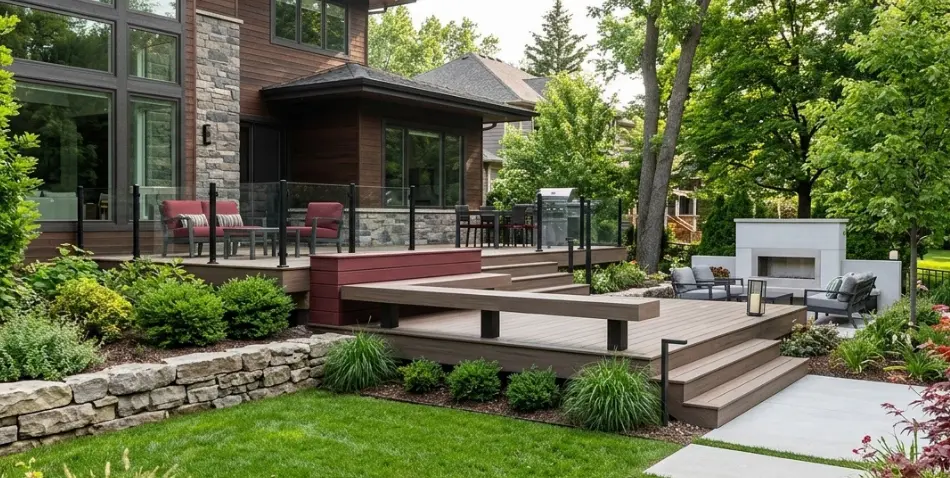
Multi-Level Deck Structures
Homeowners are moving away from single-plane decking in favor of dynamic, multi-level outdoor platforms that create distinct zones for dining, lounging, and entertaining. These elevated designs work particularly well on sloped properties throughout the Sewanee area, where the rolling terrain naturally lends itself to tiered construction. A multi level deck builder can transform a challenging grade into an architectural asset, turning what might have been unusable yard space into a series of connected outdoor rooms.
The appeal extends beyond aesthetics. Multiple levels allow you to separate cooking zones from conversation areas, create natural traffic flow during gatherings, and take advantage of varying sight lines across your property. During the mild spring and fall months that define outdoor living season in northern Georgia, these segmented spaces give families the flexibility to shift activities as the sun moves or as group sizes change throughout the day. Built-in planters between levels soften transitions, while integrated lighting along steps enhances safety and ambiance after dark.
Material choice matters significantly in this climate. Composite deck installation has surged in popularity because it withstands the humidity and seasonal temperature swings without the constant staining and sealing that traditional wood demands. A qualified deck contractor will help you select low-maintenance materials that complement your home’s architecture while standing up to afternoon thunderstorms common during summer. The investment in professional design and construction ensures proper drainage between levels, code-compliant railings, and structural integrity that will support years of family use.
Outdoor Room Extensions
The boundary between indoor and outdoor living continues to blur as homeowners seek year-round usability from their backyards. Sunroom additions and covered outdoor living areas have become essential rather than optional, especially given the unpredictable weather patterns that can shift from pleasant to stormy within an hour. A sunroom builder can design climate-controlled spaces that capture natural light while providing shelter from rain and temperature extremes, extending the practical use of your property well into the cooler months.
These transitional spaces serve multiple purposes throughout the year. In early spring when temperatures are still brisk in the mornings but warm by afternoon, a well-designed sunroom offers flexibility without requiring full HVAC systems. Large windows or retractable screens allow air circulation during comfortable weather, while insulated construction keeps the space pleasant when conditions are less ideal. Many Sewanee homeowners use these areas as home offices, exercise spaces, or informal dining rooms that feel connected to nature without the maintenance demands of fully exposed outdoor areas.
Professional outdoor living construction ensures these extensions integrate seamlessly with your existing home. Proper foundation work, weatherproofing, and material selection prevent the moisture intrusion and structural issues that plague poorly executed additions. Working with an experienced outdoor living contractor means your new space will meet building codes, maintain your home’s architectural character, and include the electrical and ventilation infrastructure needed for ceiling fans, lighting, and seasonal heating options that make the room truly functional across all seasons.
Functional Hardscaping and Retaining Walls
Strategic hardscaping has evolved from purely decorative elements to essential infrastructure that solves real property challenges. Retaining walls now serve as the foundation for usable outdoor living spaces on sloped lots, creating level platforms where families can install patios, fire pits, or gardens that would otherwise be impossible. The clay-heavy soil common throughout the Sewanee region makes proper drainage and wall engineering critical, as water retention can undermine even well-built structures during the intense rainfall events that occur during late spring and summer.
Modern retaining wall design balances aesthetics with function. Natural stone, stacked block, and timber options can complement your home’s style while providing the structural support needed to prevent erosion and manage water flow. A qualified retaining wall builder understands local soil conditions and will incorporate drainage systems, proper backfill materials, and appropriate setbacks to ensure longevity. These installations often include terraced planting areas that soften the visual impact while reducing maintenance compared to sloped lawns that are difficult to mow and prone to washouts.
The investment pays dividends in expanded usable space and reduced long-term maintenance. Properties that once lost topsoil with every heavy rain can instead channel water through planned drainage while gaining flat areas perfect for outdoor furniture, play equipment, or vegetable gardens. When integrated with deck construction or patio installation, retaining walls create cohesive outdoor environments that feel purposefully designed rather than pieced together. Professional assessment ensures your hardscaping accounts for freeze-thaw cycles, root intrusion from mature trees, and the specific load requirements your intended use demands.
Shade Structures and Pergola Design
As outdoor living areas expand in size and sophistication, adequate shade has become a non-negotiable element rather than an afterthought. Pergolas and custom shade structures define spaces while making them usable during the peak heat of summer afternoons when unprotected decks and patios become uncomfortably hot. The intense sun exposure typical of Georgia summers can make even well-designed outdoor areas unusable between noon and evening without some form of overhead protection.
Contemporary pergola designs go far beyond simple crossbeam structures. Adjustable louver systems allow you to control light and airflow throughout the day, while integrated fabric canopies provide solid coverage during rain showers without the permanent enclosure of a roof. A skilled pergola builder can design structures that complement your home’s lines, incorporate climbing plants for natural cooling, and include features like ceiling fans, lighting, and even outdoor speakers that transform the space into a true outdoor room. Many homeowners pair these structures with outdoor kitchens or dining areas, creating shaded zones that encourage extended use during the long, warm evenings common from May through September.
Material selection impacts both longevity and maintenance requirements. Vinyl and composite materials resist rot and insect damage without annual treatments, while cedar and treated lumber offer traditional aesthetics at a lower initial cost. Your choice should account for the structure’s location, proximity to trees that drop debris, and whether you plan to grow vines that require regular pruning. Professional installation ensures proper anchoring to resist wind loads, adequate post sizing to prevent sagging, and coordination with any existing deck or patio to create a unified outdoor environment.
Low-Maintenance Material Innovation
The shift toward composite and engineered materials reflects homeowners’ desire to enjoy outdoor spaces rather than constantly maintain them. Traditional wood decking requires annual cleaning, staining, and sealing to prevent weathering, rot, and splinters. For busy families, this maintenance cycle often means outdoor areas look tired by midsummer despite significant time investment. Composite materials eliminate this burden while delivering consistent appearance and performance across decades of use.
Modern composites have overcome early generation problems with fading, staining, and heat retention. Today’s products feature capped construction that resists moisture penetration, UV-stable pigments that maintain color even under intense sun exposure, and textured surfaces that stay cooler underfoot than earlier versions. A custom deck builder familiar with current product lines can recommend materials suited to your specific conditions, whether that means high-traffic areas around pools, shaded sections prone to mildew, or sun-exposed platforms that need maximum fade resistance. The upfront cost premium pays back through eliminated maintenance and extended lifespan that often doubles what you would get from pressure-treated lumber.
Beyond decking, composite materials now appear in railings, pergola components, and trim details that traditionally required frequent painting. This consistency in finish and weathering characteristics creates cohesive outdoor spaces that age gracefully rather than requiring piecemeal replacement as different materials fail at different rates. When planning new outdoor living construction, discuss material options early in the design process. The choices you make will affect not just initial budget but your ongoing time commitment and the space’s appearance years down the road.
